Struggling to pick the right metal for your electronics enclosure? Wrong choice causes overheating, water damage, field failure. I’ve seen it. Let me guide you.
Aluminum is lighter, cheaper, and better at cooling. Stainless steel resists water and impact far better. Choose aluminum for indoor devices with high heat. Choose stainless steel for outdoor or rugged gear that faces rain or rough handling. This guide explains each factor clearly.
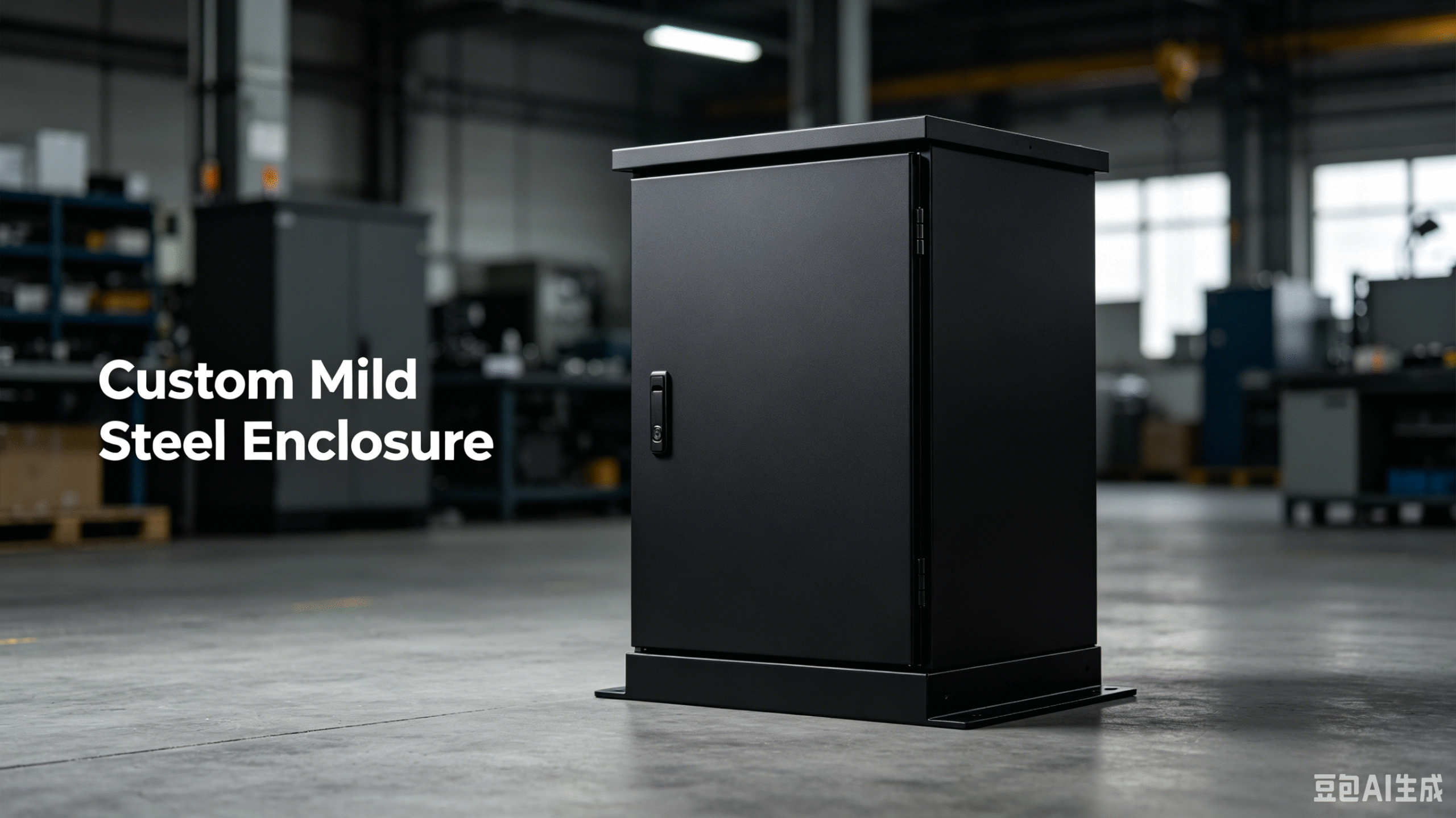
I run a custom enclosure factory in Foshan, China. Over 19 years, I’ve helped many brands in Southeast Asia, Brazil, India, and the Middle East pick the right shell. Below, I’ll compare the metals point by point, so you can avoid costly mistakes.
How Do Aluminum and Stainless Steel Compare for Waterproofing?
Your outdoor device gets wet and fails early. Seals help, but the metal matters just as much. The wrong shell lets moisture in slowly.
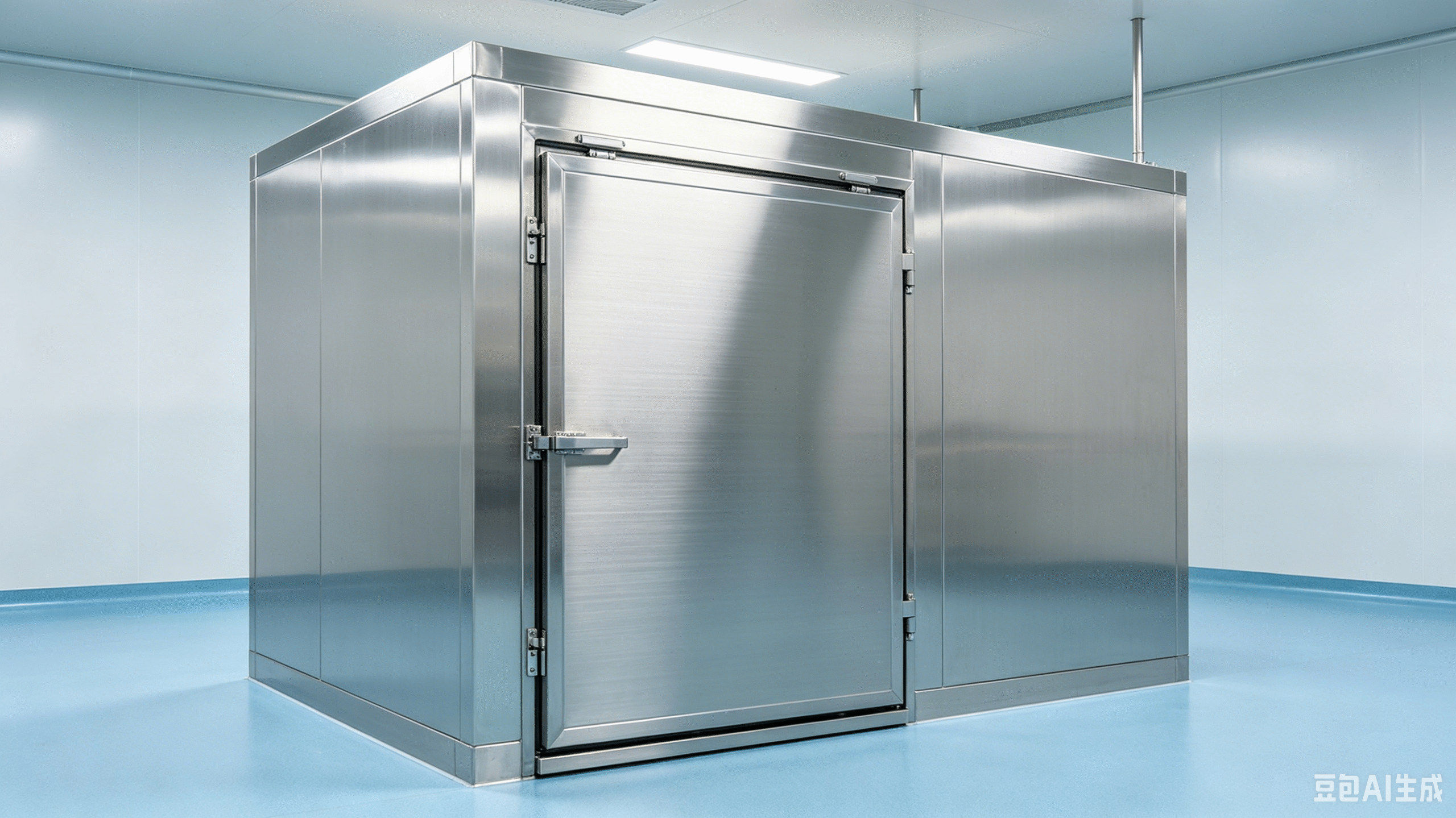
Stainless steel offers far better waterproof performance than aluminum.[^1] Its rust resistance and strength keep water out longer, even with thin gaskets. Aluminum can handle occasional splashes but is not ideal for constant rain or submersion.
Why Stainless Steel Wins in Wet Conditions
Water always finds a way. Even the best gasket can’t help if the metal itself corrodes. I remember a client in Brazil who used aluminum outdoor audio amplifiers. Within six months, the boxes showed white rust pits near the seams. Moisture seeped in and shorted the boards. We remade the enclosures in 304 stainless steel, kept exactly the same seal design, and the problem disappeared.
Aluminum has a thin oxide layer that protects it, but that layer weakens in salty or acidic rain.[^2] Anodizing adds a thicker barrier, yet scratches or machining edges still let water attack the base metal. Stainless steel, on the other hand, forms a passive chromium oxide film that repairs itself in oxygen.[^3] Even if you scratch it, the corrosion resistance holds.
For the engineer, IP ratings tell the story. A well-designed steel enclosure can reach IP66 or IP67 easily.[^4] With aluminum, reaching IP65 is possible but risky because the metal can pit and grow tiny holes over time. I tell customers who need true weatherproofing to choose stainless even if it costs more.
Below is a quick look at how the two metals behave under water exposure.
| Metal | Typical max IP rating without special coating | Corrosion risk in damp air / salt fog |
|---|---|---|
| Aluminum | IP54 – IP65 (must be carefully sealed) | Moderate – pitting common at edges |
| Stainless Steel | IP66 – IP68 (with proper gasket) | Very low – self-healing passive layer |
Which Metal Handles Drops and Scratches Better?
Dropped enclosure on a concrete floor? The wrong metal dents or cracks, exposing circuits. One accident can ruin your device reputation.
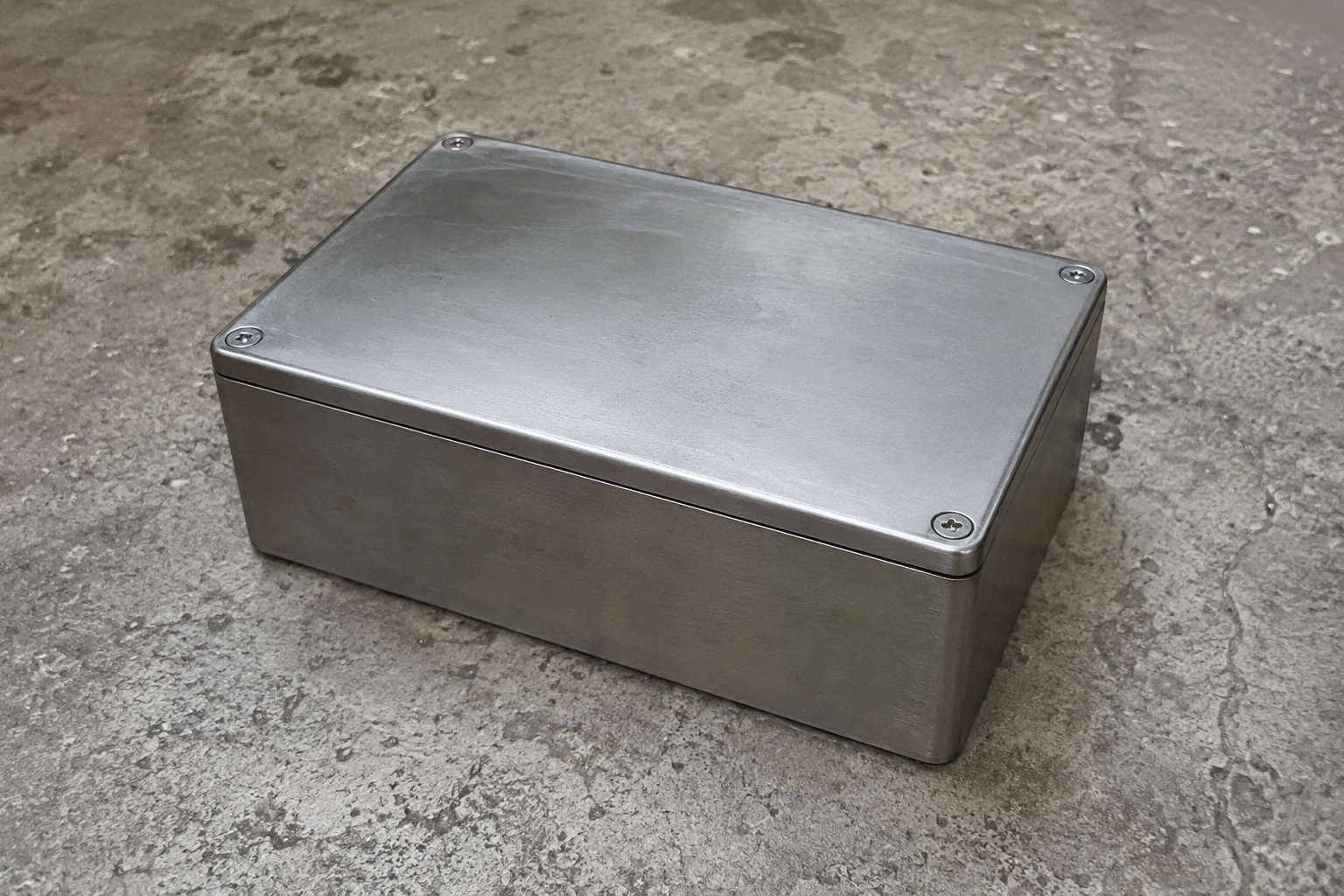
Stainless steel is harder and resists dents, scratches, and heavy impact much better than aluminum. For portable or industrial gear that gets knocked around, stainless steel is the safer long-term bet.
Hardness, Scratches, and Real-World Abuse
I once visited a factory in India making handheld testers. They shipped sample aluminum cases. After one drop test, the corners bent inward so far the PCB wouldn’t fit anymore. We switched to 1.2 mm stainless steel. Same drop, just a tiny scratch – the board stayed safe.
The reason is simple: stainless steel (304 or 316) has a Brinell hardness around 150–200, while common aluminum alloys like 5052 or 6061 sit around 60–70.[^5] That difference means a stainless surface resists scratching from keys, tools, or rough handling much better. Dents absorb less energy because the material yields at a higher stress.[^6]
For products that live in toolboxes, on factory floors, or in the back of a truck, stainless steel’s toughness pays back every day. Aluminum can be fine if you design thick walls or add protective corners, but that adds weight and cost, erasing its main advantage.
Here is a simple hardness comparison.
| Material | Typical Brinell Hardness (HB) | Scratch Resistance in field |
|---|---|---|
| Aluminum 5052 | ~60 | Low – scratches easily |
| Aluminum 6061 | ~95 | Moderate |
| Stainless 304 | ~200 | High – resists daily wear |
Which Enclosure Material Is Lighter?
Your product needs to be light enough to carry or mount on a wall. Heavy metal adds shipping cost, strain, and install headaches.
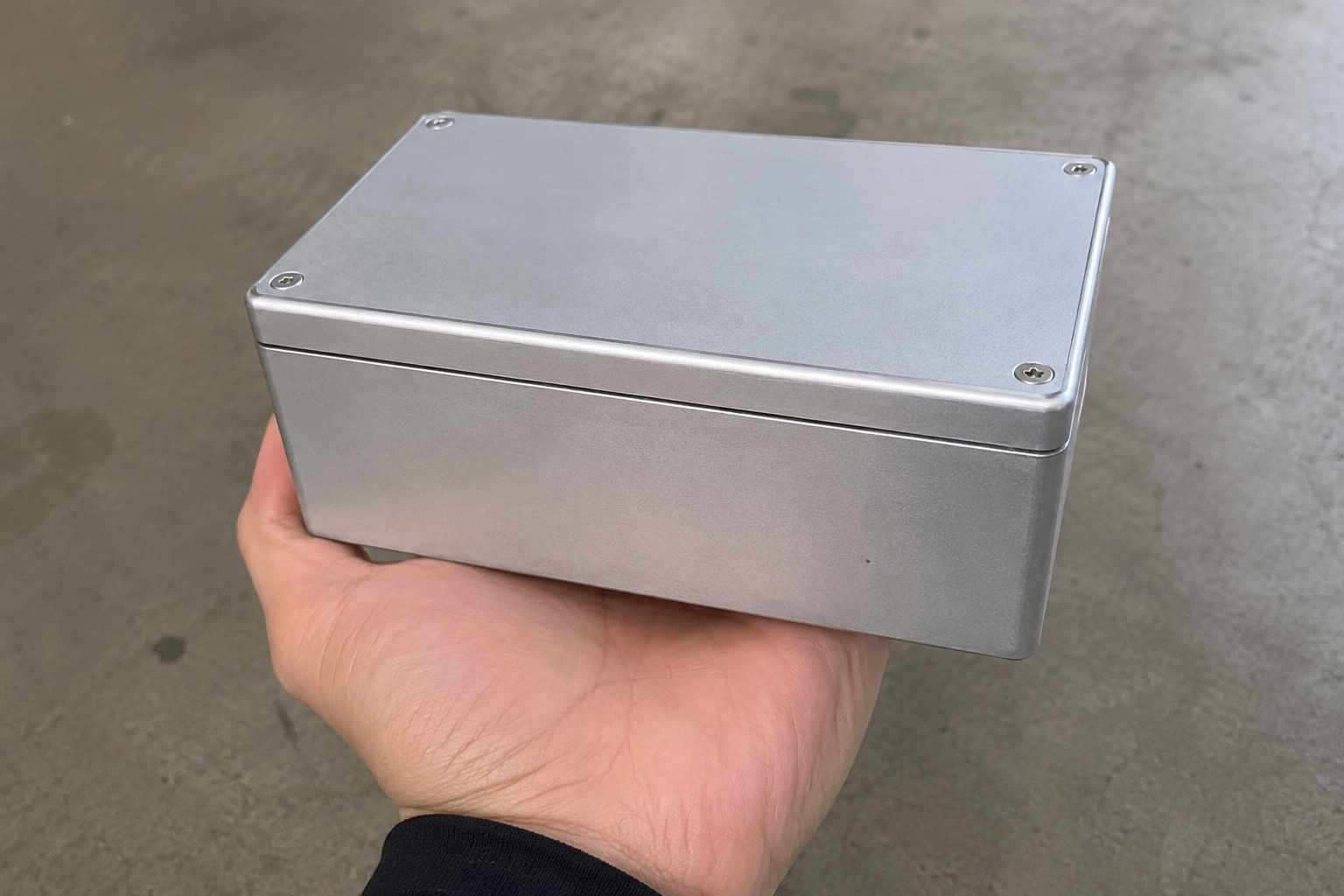
Aluminum is about one-third the weight of stainless steel.[^7] For handheld devices, drones, or wall-mounted units, aluminum’s low weight is a clear advantage.
Density, Shipping, and User Comfort
I recall a startup from Thailand that designed a portable medical device. Their first prototype used stainless steel and weighed nearly 4 kg. Nurses complained. We rebuilt it in aluminum 5052 – the enclosure weight dropped to 1.2 kg. Shipping costs for their first 500 units fell by 20%, and end users finally gave positive feedback.
The density numbers explain it: aluminum sits at about 2.7 g/cm³, while stainless steel is around 7.9–8.0 g/cm³. For the same outer dimensions, the metal alone is nearly three times heavier in steel. In wall-mount gear, that extra load needs stronger brackets and anchors. In portable units, it tires the user’s arm.
Of course, you must consider strength. But many designs don’t need the full strength of steel. Aluminum’s moderate strength plus light weight often gives a better strength-to-weight ratio.[^8] I help customers run quick weight calculations during the quoting stage, and the savings almost always point them toward aluminum unless extreme durability is a must.
Here is a direct weight comparison using a 1 mm thick sheet of 1 m² area.
| Material | Density (g/cm³) | Weight of 1mm x 1m² sheet (approx) |
|---|---|---|
| Aluminum 5052 | 2.68 | 2.68 kg |
| Stainless 304 | 8.00 | 8.00 kg |
Which Material Dissipates Heat Faster?
Hot components inside your box can fry themselves. If heat stays trapped, your device fails sooner than you planned.
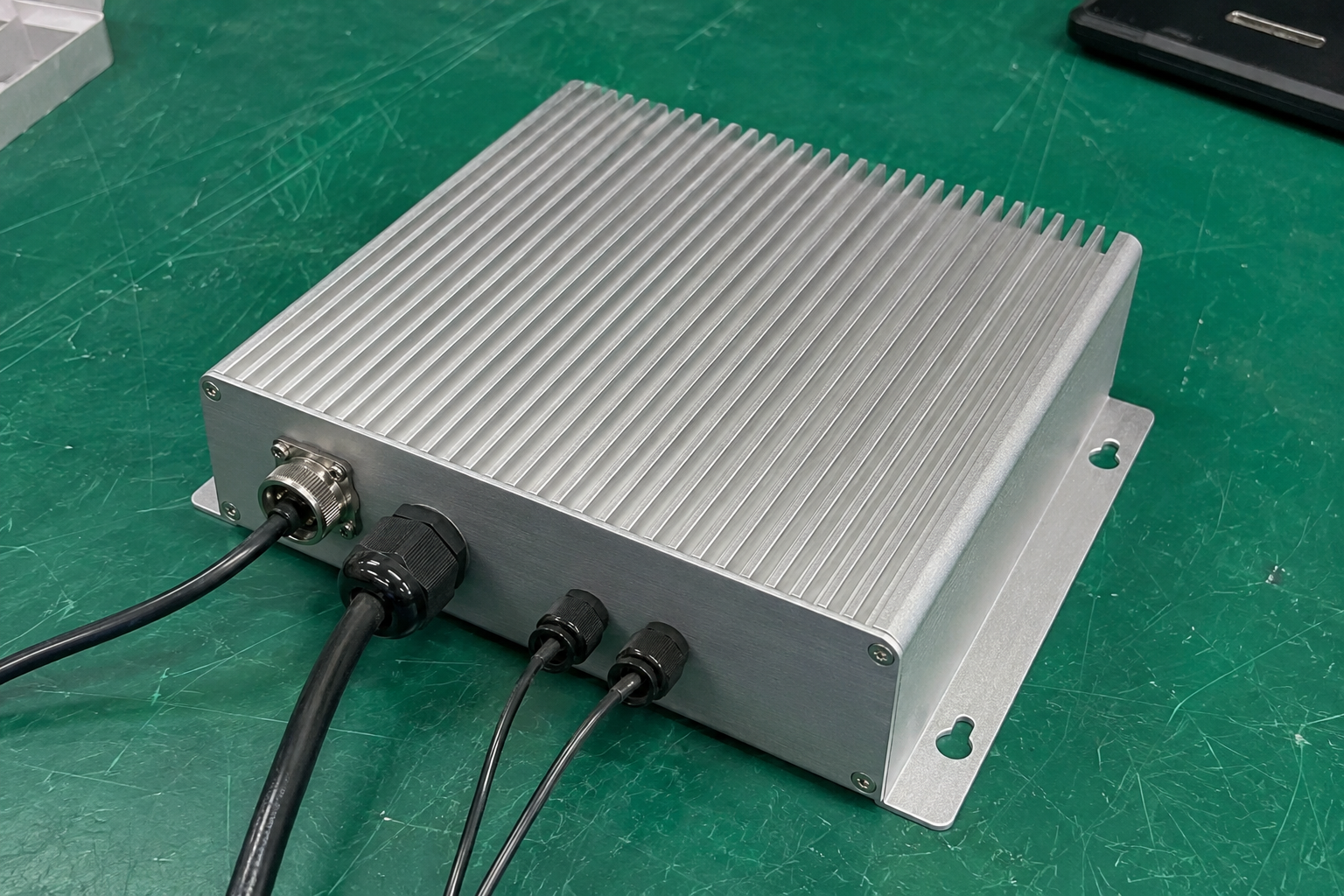
Aluminum conducts heat about three times faster than stainless steel.[^9] For high-power electronics like amplifiers or inverters, aluminum acts as a built-in heatsink, keeping things cooler.
Thermal Performance and Real-World Lessons
I have lost count of the audio amplifier clients who burned output transistors because they built the first sample in a sealed steel box. One factory in the Middle East sent me a design that kept failing after 30 minutes at full power. We replaced the stainless steel chassis with an aluminum extrusion enclosure that included integral fins. The internal temperature dropped by 18°C, and the failures stopped.
The science: thermal conductivity of aluminum (around 205 W/m·K for alloy 6061) moves heat away from components fast. Stainless steel, at about 16 W/m·K, acts almost like an insulator compared to aluminum. Even thick steel walls trap heat. Aluminum’s ability to pull heat from PCB mounting points and spread it to the outer surface lets you sometimes skip a fan entirely.[^10]
In solar inverters, motor drives, and LED power supplies, this passive cooling cuts cost, noise, and points of failure. I often suggest aluminum when the total power loss inside the box exceeds 15–20 watts. Below that, stainless steel may still work with ventilation, but aluminum almost always gives you a safer margin.
| Material | Thermal Conductivity (W/m·K) | Best for passive cooling? |
|---|---|---|
| Aluminum 6061 | ~205 | Yes – excellent spreader |
| Stainless 304 | ~16 | No – holds heat inside |
Can You Get More Color Choices with Aluminum or Stainless Steel?
Your brand identity demands a specific color, not just bare metal. Plain grey doesn’t always sell.
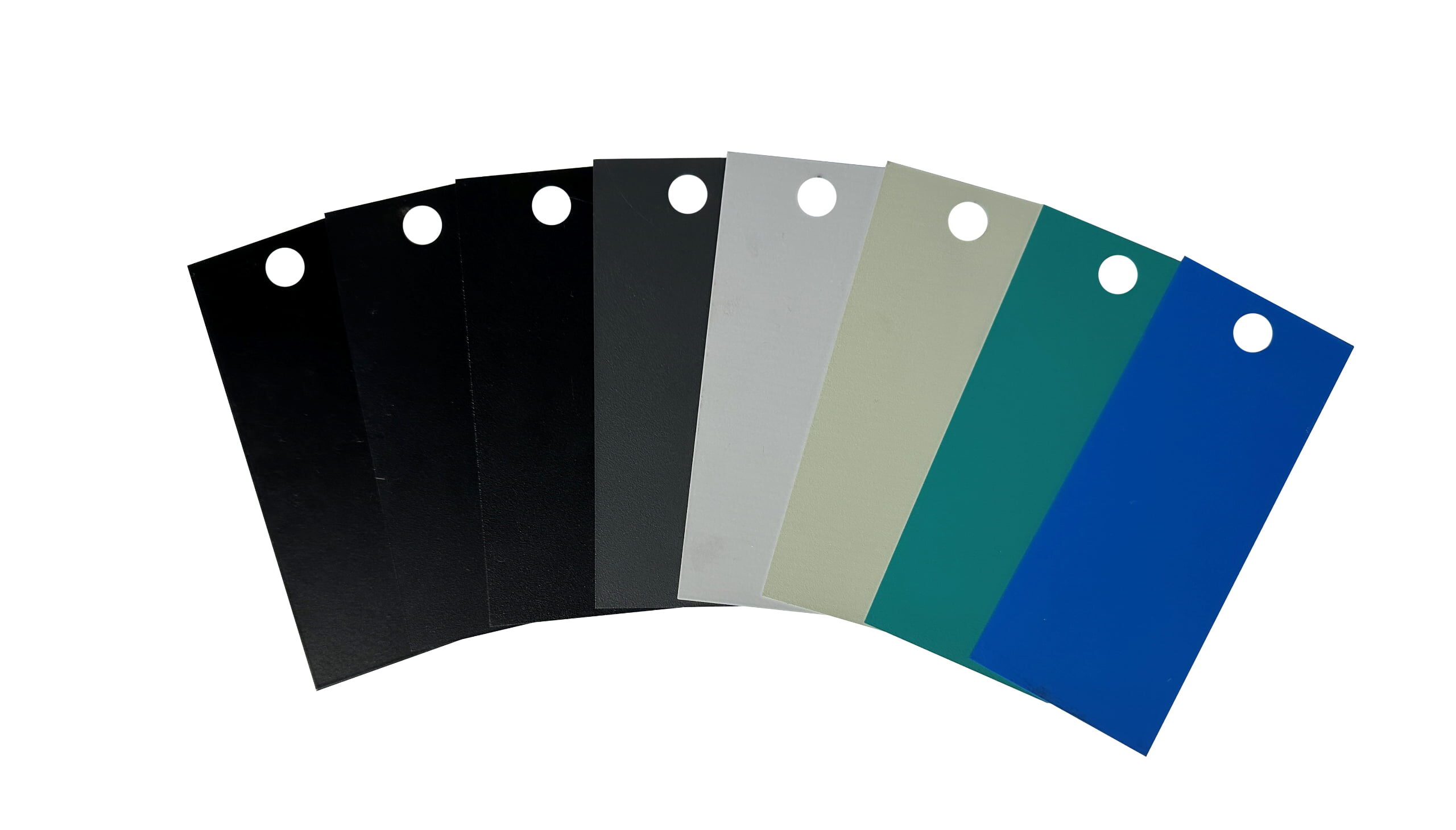
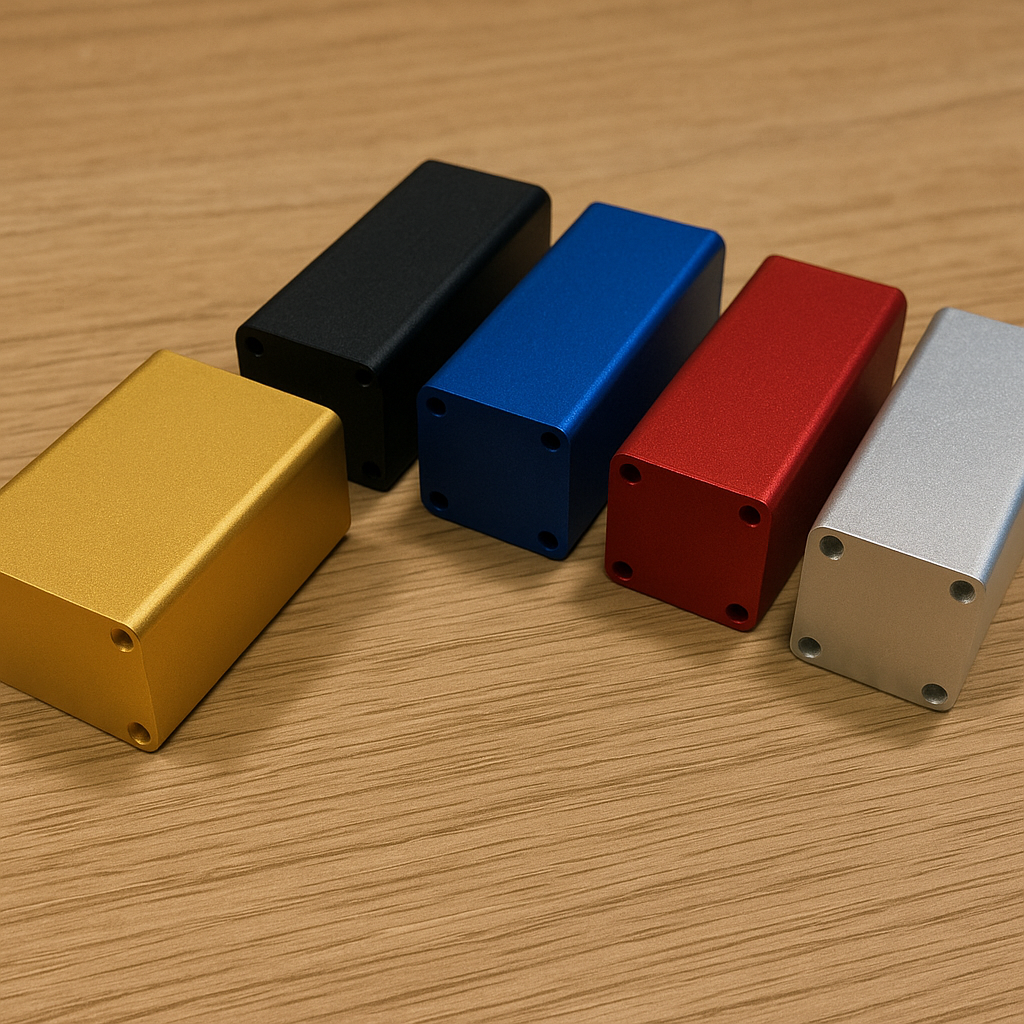
Aluminum can be anodized to produce a wide rainbow of colors—black, blue, red, gold, and more. Stainless steel is mostly limited to its natural silver tone or a painted finish, which can chip.
The Color Game: Anodizing vs Coatings
I learned this lesson while helping a consumer audio brand from Europe. Their product had to be bright orange to match their logo. Stainless steel couldn’t deliver that without paint. We tried powder coating, but on a brushed steel surface, small knocks caused chipping that looked terrible. Switching to aluminum and anodizing gave them a durable, scratch-resistant orange that went deep into the metal, not just sitting on top.
Anodizing grows a controlled oxide layer and then seals dye into it.[^11] Through electrolytic coloring, we can produce black, champagne, bronze, blue, red, and many other hues. Our factory runs an in-house anodizing line, so I’ve seen how robust these finishes are. You can even get dual colors or laser-engraved logos with contrast.
Stainless steel can look elegant in its natural brushed finish. When you need color, you can apply powder coating or PVD, but these add cost. PVD offers metallic shades (gold, bronze) but still fewer options than anodized aluminum. Also, if the coating gets scratched, the bare steel shows, while anodized color stays integrated.
| Process | Available Colors | Durability |
|---|---|---|
| Anodizing (Al) | Very wide – black, blue, red, gold, etc. | High – color is part of oxide layer |
| Powder Coat (SS) | Good – but prone to chip on edges | Medium – coating can peel |
| PVD (SS) | Limited metallic tones | High – but costly |
Which Enclosure Costs Less: Aluminum or Stainless Steel?
Budget is tight. Wasting money on over-spec material kills your profit before you sell the first unit.
Aluminum generally costs less than stainless steel, both in raw material and processing. For cost-sensitive projects, aluminum often gives the best balance of performance and price.
Raw Material, Processing, and Total Cost
I often sit with startup founders who have tight budgets. One Indian OEM saved 30% on their dashboard enclosure by switching from 1.5 mm stainless steel to 2.0 mm aluminum. The thicker aluminum still weighed less and cut machining time in half.
Raw material prices fluctuate, but per kilogram, aluminum is usually cheaper than stainless steel.[^12] And because aluminum is less dense, you get more parts per kilogram. Moreover, aluminum machines faster, wears tools less, and bends with lower force. All that shortens factory time and reduces scrap. Stainless steel’s hardness means slower CNC feeds, higher tool costs, and more rejects from springback in bending.
I help customers run “what-if” scenarios. Often, they find that aluminum meets their strength needs and reduces the final enclosure price by 15–25%. The exception is when ultra-thin walls must be strong—there, steel may be needed. But in most cases I’ve handled, aluminum wins on cost without hurting performance.
| Material | Typical raw sheet cost per kg | Relative finished enclosure cost (same design) |
|---|---|---|
| Aluminum 5052 | ~ $3 - $4 | 100% (baseline) |
| Stainless 304 | ~ $5 - $6 | 120% - 150% |
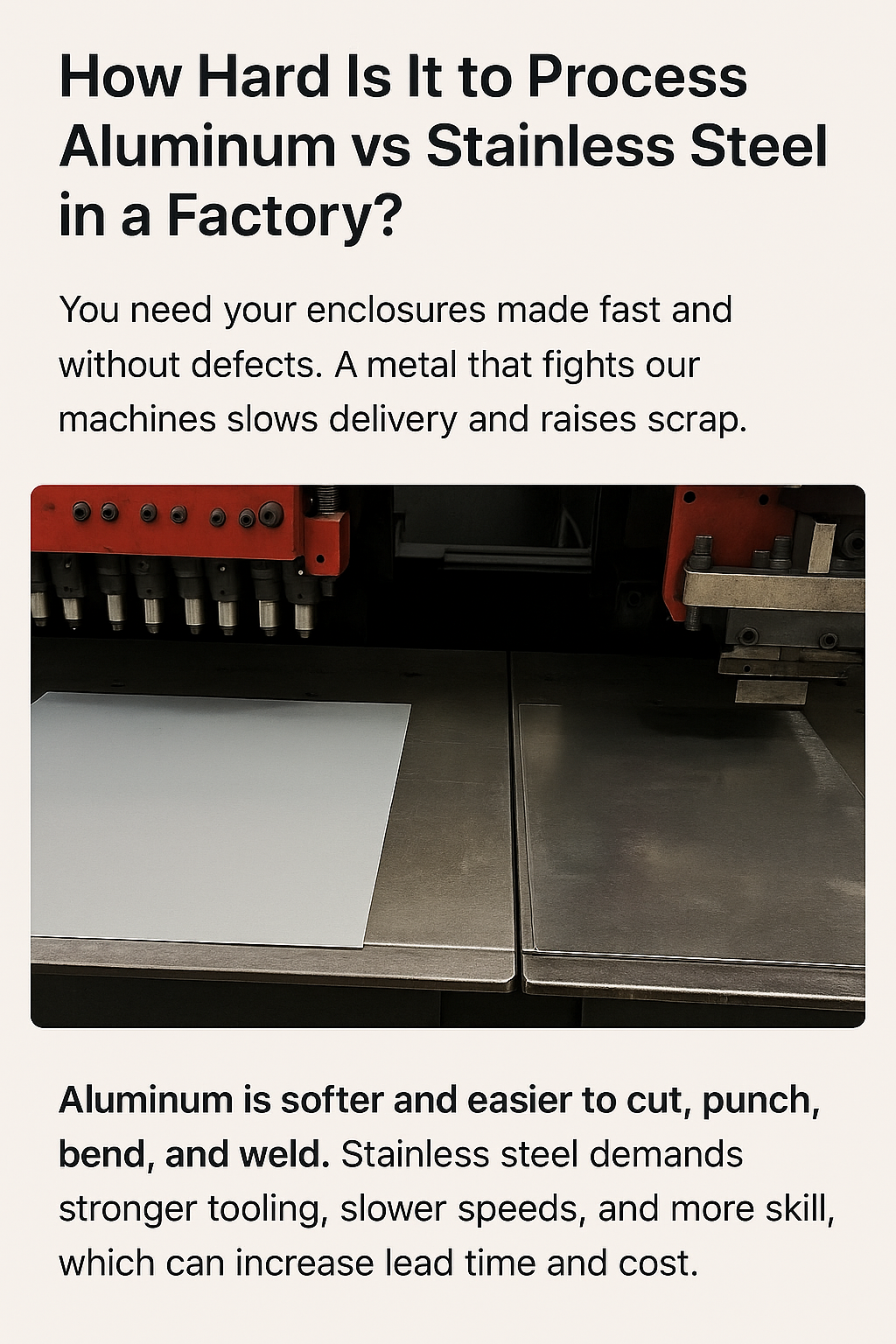
How Hard Is It to Process Aluminum vs Stainless Steel in a Factory?
You need your enclosures made fast and without defects. A metal that fights our machines slows delivery and raises scrap.
Aluminum is softer and easier to cut, punch, bend, and weld. Stainless steel demands stronger tooling, slower speeds, and more skill, which can increase lead time and cost.
Machinability, Forming, and Shop Floor Reality
I remember a difficult job: a client insisted on deep-drawn stainless steel cans for a sensor housing. Our press operator fought cracks on almost every fifth part. The material work-hardened quickly, so we had to anneal mid-process. We finished the order, but it took twice the planned hours. Later we switched the design to an aluminum deep-drawn shell with a stainless sleeve only where needed, and production smoothed out.
Aluminum is forgiving. It shears cleanly, bends with a smaller radius, and doesn’t wear punches as fast. It also welds nicely with TIG or even friction stir welding in thick sections. Stainless steel needs more clamping, higher press tonnage, and special lubricants. Springback after bending is bigger, so our press brake operator has to overbend and hope it springs back to the right angle.
In CNC machining, aluminum’s high speed potential cuts cycle time dramatically. Stainless steel forces us to slow the spindle and take lighter cuts. All these tiny delays add up, especially in production runs of a few hundred units. For custom enclosures, I almost always recommend aluminum unless the material must be stainless for performance reasons.
| Process | Aluminum (ease) | Stainless Steel (difficulty) |
|---|---|---|
| Punching / Blanking | Fast, low tool wear | Slower, high tool wear, more tonnage |
| Bending | Good – low springback | Poor – high springback, overbend needed |
| Welding | Easy with TIG (careful on anodized) | Manageable but needs back purging for clean welds |
| CNC Machining | Very fast, high feed rates | Slow feed, harder on cutters |
Conclusion
Choose aluminum for light weight, heat dissipation, color, and cost. Pick stainless steel when waterproofing and toughness come first. Match material to your real-world needs.
[^1]: "REVISITING THE CREVICE CORROSION OF STAINLESS STEEL ...", https://etda.libraries.psu.edu/catalog/10220. A corrosion-engineering source comparing aluminum alloys and stainless steels in wet and chloride-bearing environments supports the material-level basis for stainless steel’s greater resistance to water-related degradation, although actual waterproof performance also depends on gasket and joint design. Evidence role: general_support; source type: institution. Supports: Stainless steels generally have better corrosion resistance than aluminum alloys in many wet or chloride-containing environments, which can support longer-term enclosure integrity.. Scope note: The source can support corrosion-related durability, not certify that every stainless enclosure is more waterproof than every aluminum enclosure. [^2]: "[PDF] Kinetic Model for Aluminum Dissolution in Corrosion Pits", https://dr.lib.iastate.edu/bitstreams/eb75e4cd-4399-47e6-9e8b-9351b7f0af7e/download. University or corrosion-handbook material on aluminum passivation explains that aluminum’s native oxide film is protective under many conditions but can break down in chloride-rich or acidic environments, leading to localized pitting. Evidence role: mechanism; source type: education. Supports: Aluminum is protected by a surface oxide film, but chloride ions and acidic environments can destabilize the film and promote pitting corrosion.. [^3]: "[PDF] Role of Structure and Oxidation States in the Passivation of ...", http://www.chem.latech.edu/~ramu/papers/SEES-Proceedings-published.pdf. Materials-science references on stainless steel passivation describe a chromium-rich oxide film that provides corrosion resistance and can repassivate in oxygenated conditions after surface damage. Evidence role: mechanism; source type: education. Supports: Stainless steel forms a chromium-rich passive oxide layer, and the layer can reform when oxygen is available after minor surface damage.. [^4]: "IP ratings | IEC", https://www.iec.ch/ip-ratings. IEC 60529 or an institutional explanation of the standard defines IP66 and IP67 as specific ingress-protection test levels for dust and water exposure, providing context for the enclosure-rating claim rather than proving that steel reaches those levels more easily. Evidence role: definition; source type: institution. Supports: IP66 and IP67 correspond to defined dust and water ingress tests under IEC 60529 or equivalent guidance.. Scope note: The standard defines the test ratings; it does not by itself establish that steel enclosures achieve them more easily than aluminum enclosures. [^5]: "Difference in Properties & Yield Strength Between 5052 vs 6061", https://www.nemaenclosures.com/5052-vs-6061-aluminum-property-strength-differences/?srsltid=AfmBOooNMlIyFWOeWit5nROUDYNAe6qKDDfaD4weocC3eGCNTsHNTKL9. Materials-property tables for 304 and 316 stainless steels and 5052 and 6061 aluminum alloys report typical Brinell hardness values that place stainless steels above these aluminum alloys, with exact values depending on temper and processing condition. Evidence role: statistic; source type: institution. Supports: Published materials data give typical Brinell hardness values for 304/316 stainless steels and 5052/6061 aluminum alloys, showing stainless steels are generally harder.. Scope note: The cited values should be treated as typical ranges, not universal values for every temper or supplier condition. [^6]: "Metal properties", https://depts.washington.edu/matseed/mse_resources/Webpage/Metals/metalproperty.htm. A mechanics-of-materials source explains that yielding marks the onset of permanent plastic deformation; comparative yield-strength data for stainless steels and aluminum alloys therefore provide a mechanical basis for greater dent resistance in higher-yield materials. Evidence role: mechanism; source type: education. Supports: Materials with higher yield strength require greater stress before permanent plastic deformation, which is relevant to dent resistance.. Scope note: Dent resistance also depends on geometry, thickness, strain hardening, and impact conditions, so yield strength is contextual rather than complete proof. [^7]: "Reference Tables | NIST", https://www.nist.gov/ncnr/neutron-instruments/sample-environment/sample-mounting/reference-tables. Standard materials-property data list aluminum alloys at approximately 2.7 g/cm³ and common stainless steels at about 7.9–8.0 g/cm³, supporting the statement that equal-volume aluminum parts weigh roughly one-third as much as stainless-steel parts. Evidence role: statistic; source type: institution. Supports: Aluminum alloys have densities near 2.7 g/cm³, while common stainless steels are near 7.9–8.0 g/cm³, making aluminum about one-third the weight for the same volume.. [^8]: "[PDF] Material Overview • ANSI", https://www.purdue.edu/bidc/wp-content/uploads/2021/08/ISOGrade.pdf. Materials-property comparisons using specific strength show that aluminum alloys can provide favorable strength per unit weight because of their low density, although the result depends on alloy temper, section design, and load case. Evidence role: general_support; source type: education. Supports: Because aluminum has much lower density, some aluminum alloys can have competitive or favorable specific strength despite lower absolute strength than stainless steels.. Scope note: This supports a general design tendency, not a universal superiority of aluminum in every structural enclosure. [^9]: "Material Properties: 304 Stainless (UNS S30400)", https://trc.nist.gov/cryogenics/materials/304Stainless/304Stainless_rev.htm. Materials-property data report thermal conductivity values on the order of hundreds of W/m·K for many aluminum alloys and roughly tens of W/m·K for common stainless steels, supporting the qualitative claim that aluminum transfers heat much faster. Evidence role: statistic; source type: institution. Supports: Published thermal conductivity values show aluminum alloys conduct heat much more readily than common stainless steels.. Scope note: Typical published values may indicate a larger multiple than three, so the source would support the direction of the claim more directly than the exact multiplier. [^10]: "Thermal Testing of Arrays of PHP Finned Plates for Enhanced Air ...", https://ui.adsabs.harvard.edu/abs/2023tmph.conf...77M/abstract. Electronics thermal-management literature describes aluminum housings as conductive heat spreaders that can transfer heat from components to exterior surfaces for passive dissipation, though whether a fan can be omitted depends on the specific thermal design and power loss. Evidence role: mechanism; source type: paper. Supports: Aluminum housings can function as heat spreaders and dissipate heat by conduction to the enclosure surface and natural convection to the surrounding air.. Scope note: The source can support the passive-cooling mechanism, not guarantee fanless operation for any particular enclosure. [^11]: "Anodizing - Wikipedia", https://en.wikipedia.org/wiki/Anodizing. Technical descriptions of aluminum anodizing explain that the process electrochemically grows a porous oxide layer, permits dye uptake, and uses sealing to close or stabilize the pores. Evidence role: mechanism; source type: institution. Supports: Anodizing electrochemically forms a porous aluminum oxide layer that can be dyed and sealed to improve finish durability.. [^12]: "Statistical Compendium | U.S. Geological Survey - USGS.gov", https://www.usgs.gov/centers/national-minerals-information-center/statistical-compendium. Government or international commodity data on aluminum and stainless-steel input materials provide market context for the statement that aluminum is often less expensive per kilogram, while also showing that prices vary by grade, region, and date. Evidence role: statistic; source type: government. Supports: Commodity and mineral-market data can show that aluminum feedstock prices are commonly below stainless-steel sheet or stainless input-cost levels on a per-kilogram basis.. Scope note: Commodity data may not directly match purchased enclosure sheet prices, which include alloy grade, mill form, finishing, and supplier margins.